
San Diego County Bankruptcy Records
San Diego County bankruptcy records are filed with the Southern District of California Bankruptcy Court. This is the main court for all bankruptcy cases in the region. The county has more than 3.3 million people, making it the second largest in the state. Finding these records is not hard if you know where to look. PACER gives you online access to case files from any computer. You can also visit the courthouse in downtown San Diego to search in person. This page covers the steps for finding San Diego County bankruptcy filings, court contact details, and what to expect when you search.
San Diego County Facts
San Diego Bankruptcy Court Information
The Southern District of California Bankruptcy Court handles every bankruptcy case filed by San Diego County residents. This court also covers Imperial County, which sits to the east. The courthouse is at 325 West F Street in downtown San Diego. It is easy to reach by car or public transit.
The court is open Monday through Friday from 9 AM to 4 PM. You can call (619) 557-5620 for general questions. The clerk's office staff can help you find records or explain filing procedures. They deal with San Diego County bankruptcy matters every day, so they know the local rules well.
Electronic filing is required for attorneys. Pro se filers can submit paper documents at the clerk's window. The CM/ECF system handles all electronic filings for the Southern District. If you are a lawyer, you must register for an account before you can file. The court website has training materials and guides for the system.
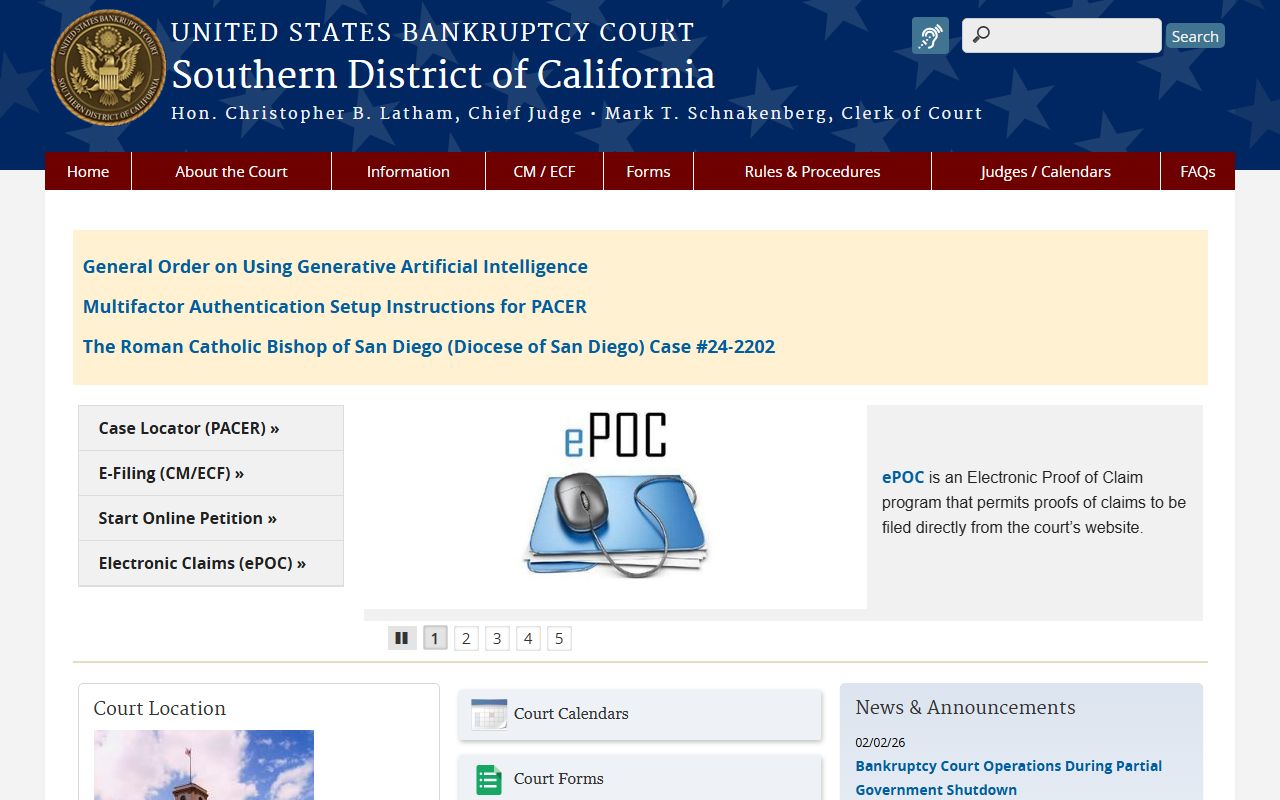
The Southern District court website has local forms, rules, and fee schedules specific to San Diego County filings.
Search San Diego County Bankruptcy Filings
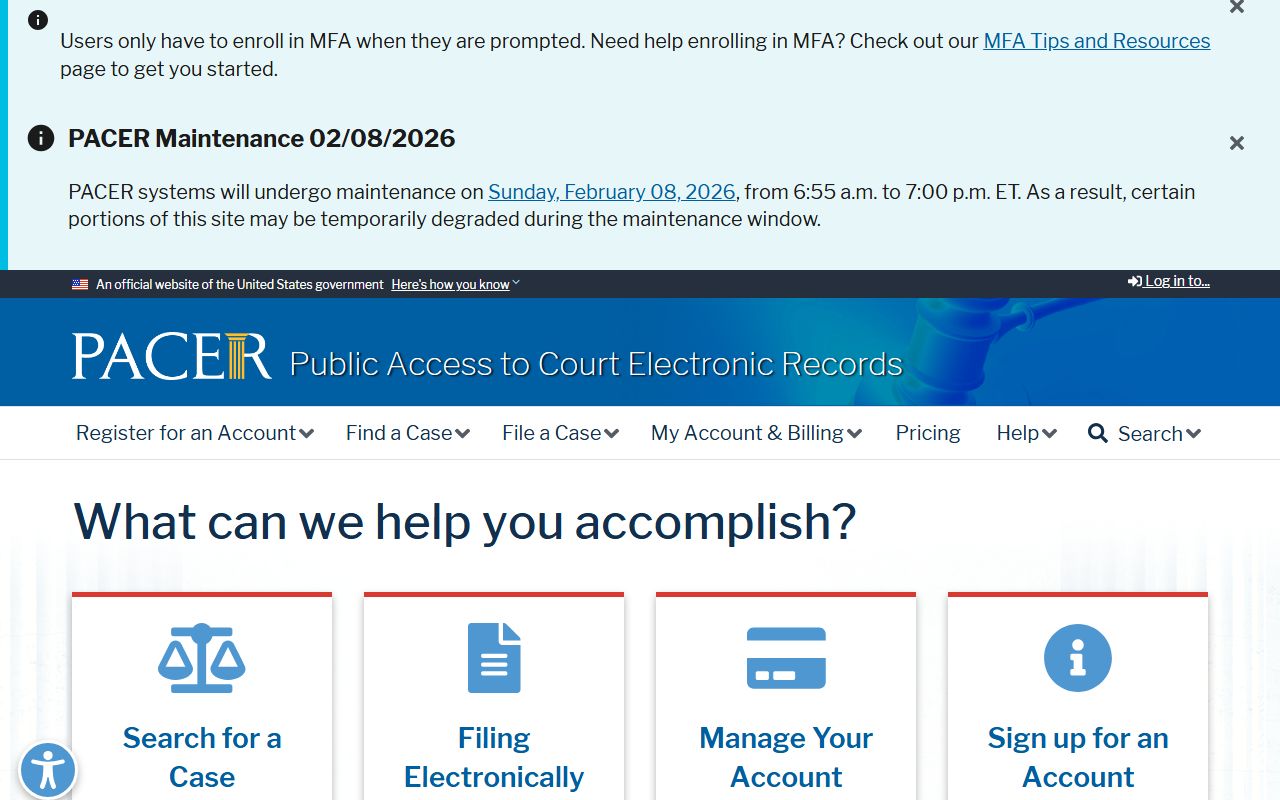
PACER is the best way to search San Diego County bankruptcy records from home. It works 24 hours a day. You can look up any case by name or case number. The fee is 10 cents per page, with a $3 cap on most documents. Users who stay under $30 per quarter pay nothing.
To start, visit pacer.uscourts.gov and set up a free account. Pick the Southern District of California Bankruptcy Court from the list. Type in a name to find all matching cases. The results show case numbers, filing dates, and chapter types. Click any case to see the full docket and filed documents for that San Diego County bankruptcy record.
The Voice Case Information System offers free basic lookups. Call (866) 222-8029 any time of day or night. Enter a case number to hear status updates and key dates. This is a quick way to check on a San Diego County case without logging into PACER. The system reads back case information automatically.
In-person searches at the San Diego courthouse are free. Walk in during business hours and use the public computer terminals. The clerk's office has staff who can help you navigate the system. You only pay if you want paper copies of documents. Most people find what they need in one visit.
Note: PACER accounts work for all federal courts, not just San Diego.
Filing Bankruptcy in San Diego County
San Diego County residents file bankruptcy at the Southern District court downtown. You can hire an attorney or file on your own. The court calls self-represented filers "pro se." Both paths use the same forms and follow the same rules under federal bankruptcy law.
Filing fees depend on the chapter you choose. Chapter 7 costs $338. Chapter 13 costs $313. Chapter 11 business cases cost $1,738. These fees go directly to the court. If you cannot pay the full amount, you may qualify for a fee waiver or installment plan. Ask the clerk about your options when you file your San Diego County bankruptcy case.
Federal law requires credit counseling before you file. You must complete an approved course within 180 days of your filing date. After your case wraps up, a second course on financial management is required. Without both courses, the court will not process your San Diego County bankruptcy. The U.S. Trustee Program maintains a list of approved providers.
All bankruptcy forms are standard federal documents. Get them from uscourts.gov. The voluntary petition is the main form. You also need schedules for assets, debts, income, and expenses. The means test form helps determine which chapter fits your situation. These completed forms become part of your public San Diego County bankruptcy record once filed.
California Exemptions for San Diego Filers
California gives bankruptcy filers a choice between two exemption systems. This matters a lot for San Diego County residents. System 1 protects more home equity. System 2 offers a larger wildcard amount. You must pick one. You cannot mix and match between the two systems.
System 1 includes a homestead exemption up to $722,507. This amount varies based on county median home values. San Diego has high real estate prices, so many homeowners here get the maximum protection. The exemption keeps your home equity safe from creditors in Chapter 7 cases. It can also help in Chapter 13 by reducing what you owe unsecured creditors through your payment plan.
System 2 works better if you rent or have little home equity. The wildcard exemption under System 2 is worth up to $38,700. You can apply it to any type of property. That includes cars, bank accounts, and personal items. Many San Diego County filers who rent apartments choose System 2 because the homestead exemption would not help them. Your choice shows up in your bankruptcy records.
Types of San Diego County Bankruptcy Cases
Chapter 7 is the most common filing type in San Diego County. It eliminates most debts in about three to four months. You may have to give up some assets, but exemptions protect most property for typical filers. The process is straightforward. A trustee reviews your case, creditors get a chance to object, and then you receive a discharge.
Chapter 13 lets you keep your property while paying back debts over time. You make monthly payments to a trustee for three to five years. The trustee distributes funds to your creditors based on a court-approved plan. This option works well for San Diego County residents with steady income who fell behind on mortgage or car payments. About 20% of local filings use Chapter 13. The records for these cases include payment plans and completion documents.
Chapter 11 handles business reorganization. Companies use this to restructure debt while continuing operations. It is expensive and complex. San Diego County sees fewer of these cases, but the ones that do get filed often involve substantial amounts of money. Real estate developers and restaurant groups sometimes use Chapter 11 when they hit financial trouble. These cases create extensive records with many motions, objections, and court orders.
Legal Help for San Diego Bankruptcy
Several groups provide free or low-cost bankruptcy help to San Diego County residents. These resources can guide you through the process without high attorney fees.
The San Diego County Bar Association runs a lawyer referral service. You can get a short consultation with a bankruptcy attorney for a modest fee. The service matches you with lawyers who practice in San Diego County. Legal Aid Society of San Diego helps low-income residents with various legal matters, including some bankruptcy cases. Income limits apply.
For those filing without a lawyer, the court website has self-help resources. The federal bankruptcy forms page has everything you need. Local rules for the Southern District are also online. Many San Diego County residents successfully handle their own cases using these materials. The clerk's office can answer procedural questions but cannot give legal advice.
Before you hire any attorney, verify their license. The California State Bar website lets you check any lawyer's standing and see if they have disciplinary issues. This simple step protects you from people who might take advantage of those in financial distress.
Setting Up PACER for Record Searches
PACER registration is free. The account gives you access to all federal court records, not just San Diego County bankruptcy files. You can search cases from any district in the country.
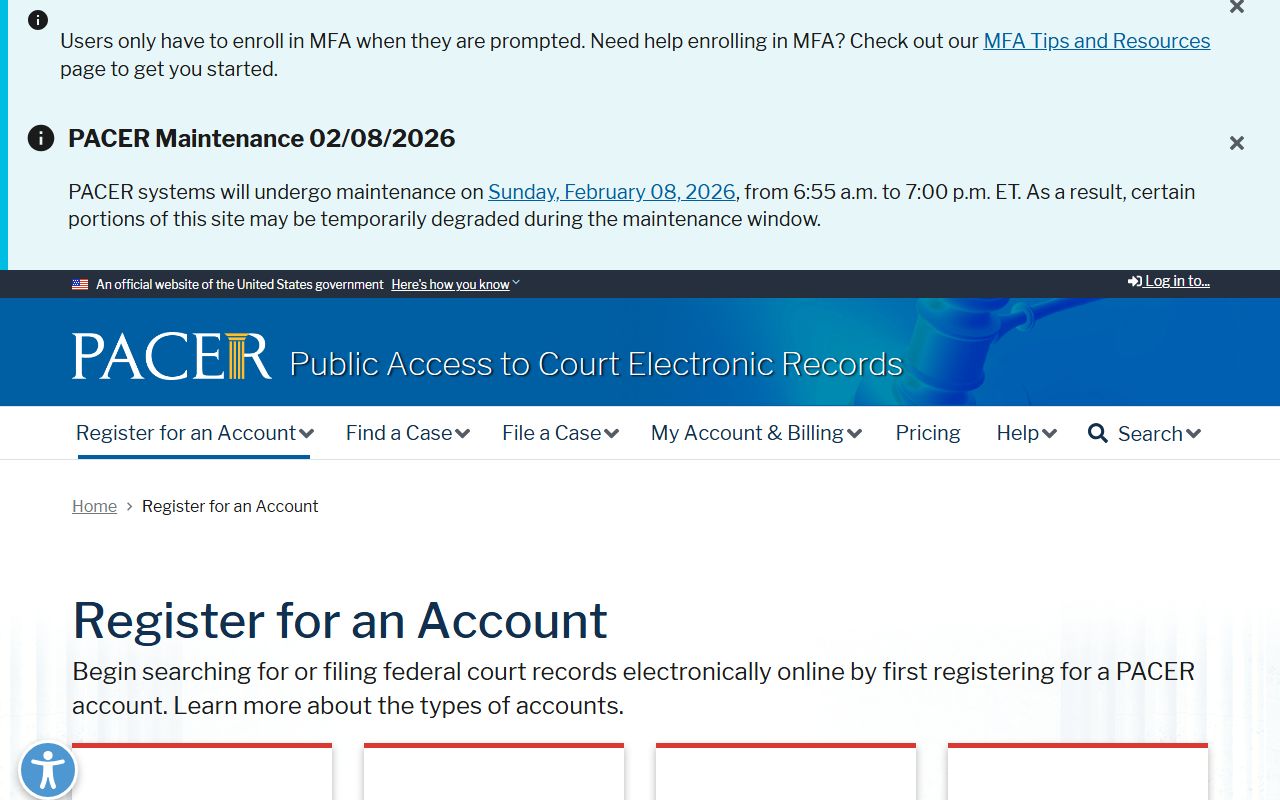
Go to the PACER website and click the registration link. Fill out the form with your name and contact details. You will get login credentials by email within a few days. Once active, select the Southern District of California from the court list. The system then connects you to San Diego County bankruptcy records along with Imperial County filings. Search by debtor name, case number, or Social Security number if you have it.
Note: Quarterly fees under $30 are waived, so casual users often pay nothing.
Cities in San Diego County
San Diego County contains 18 incorporated cities plus many unincorporated communities. All residents file bankruptcy through the Southern District court. Here are the major cities in San Diego County with populations over 50,000.
Nearby Counties
These counties neighbor San Diego County and use different bankruptcy courts.