
Rancho Cucamonga Bankruptcy Records
Rancho Cucamonga bankruptcy records are kept by the Central District of California Bankruptcy Court in Riverside. The city sits in San Bernardino County at the base of the San Gabriel Mountains. About 177,000 people call Rancho Cucamonga home. Residents who need to search for bankruptcy case files can do so through PACER or by visiting the Riverside courthouse. This page explains where to find these records, what they contain, and how to request copies. You will also learn about the filing process and what happens after a case is filed in this part of California.
Rancho Cucamonga Quick Facts
Rancho Cucamonga Bankruptcy Court Information
The Central District of California Bankruptcy Court handles all bankruptcy cases for Rancho Cucamonga residents. Cases from San Bernardino County go through the Riverside Division of this court. The courthouse is at 3420 Twelfth Street in Riverside. It is about a 25 minute drive from Rancho Cucamonga depending on traffic.
You can reach the Riverside clerk's office at (951) 774-1000. Hours are Monday through Friday from 9 AM to 4 PM. The court is closed on federal holidays. Staff can answer questions about case filings and help you find Rancho Cucamonga bankruptcy records.
The Central District is the busiest bankruptcy court in the United States. It handles cases from seven Southern California counties. San Bernardino County is one of these. The Riverside courthouse serves the Inland Empire, which includes both San Bernardino and Riverside counties. This means many filers from the region share the same court location.
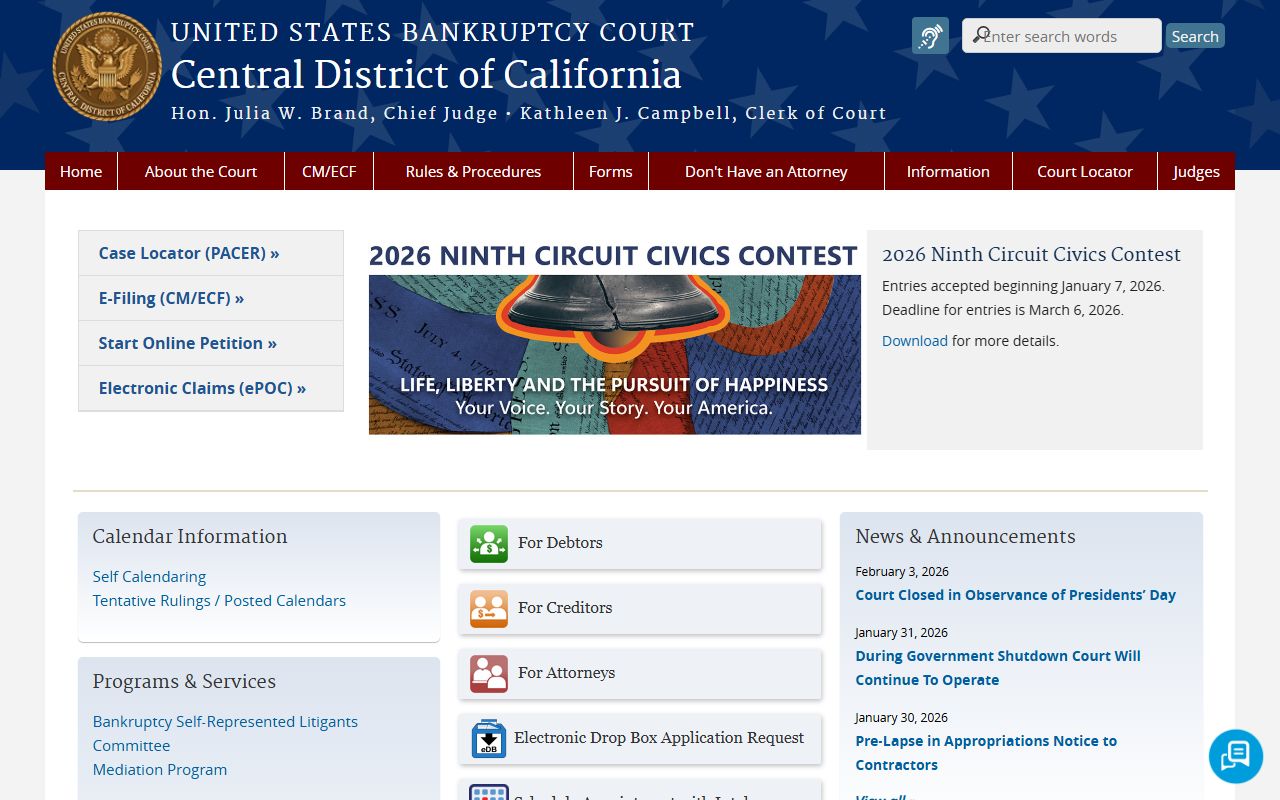
The court website has forms, local rules, and case information for all divisions.
How to Search Rancho Cucamonga Bankruptcy Records
PACER is the main way to search for bankruptcy records online. It stands for Public Access to Court Electronic Records. The system holds files from all federal courts in the country. You can search from home at any time of day or night.
To start, go to pacer.uscourts.gov and create a free account. Once logged in, pick the Central District of California Bankruptcy Court. Type in a name or case number. The search will show results from Rancho Cucamonga and all other cities in the district. You pay 10 cents per page to view documents. A cap of $3 per document keeps costs low.
Many users pay nothing at all. If your charges stay under $30 per quarter, the fees are waived. This makes PACER free for people who only need to look up a few Rancho Cucamonga bankruptcy cases.
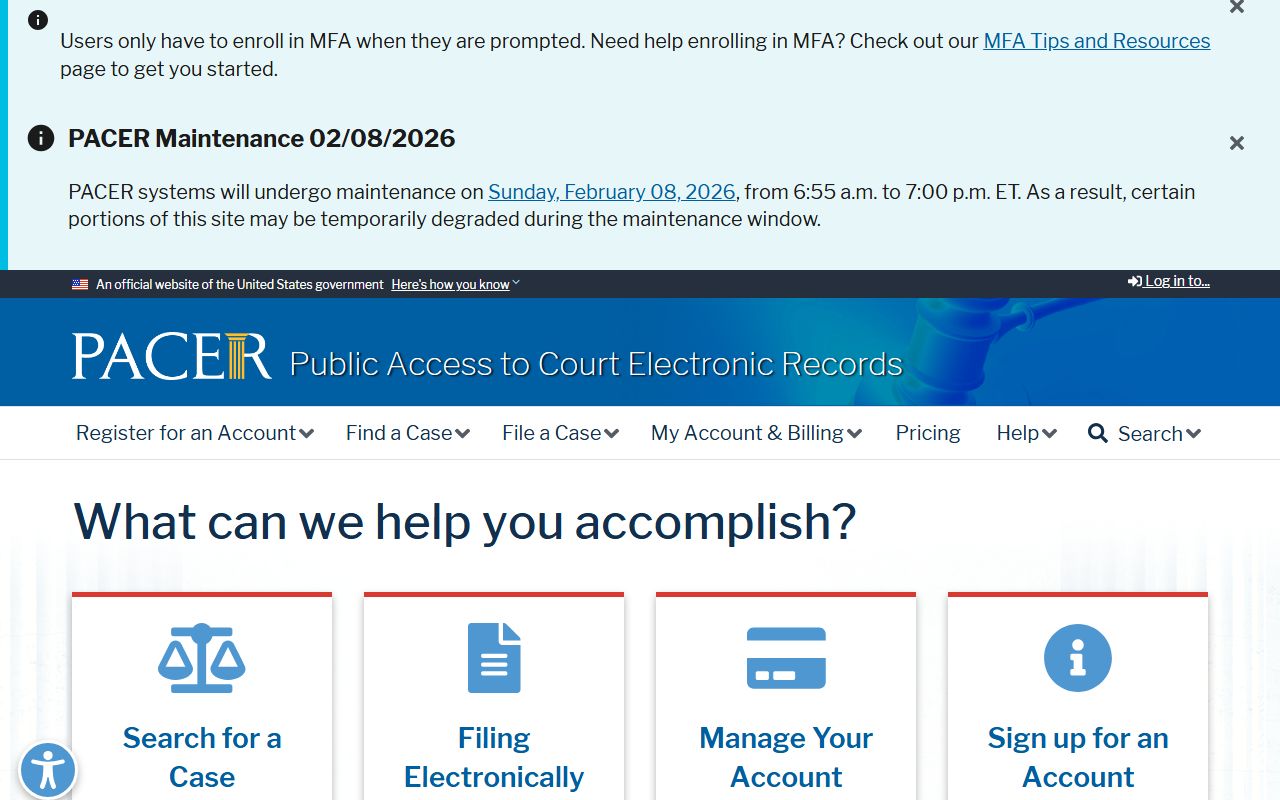
The PACER Case Locator searches all federal courts at once. Use it when you are not sure which district handled a case. Enter a name and see results from every court in the nation. This tool is helpful if someone moved before or after filing.
You can also search for free at the courthouse. Walk into the Riverside clerk's office during business hours. Use the public computer terminals to look up cases. Staff can help if you need it. Printing costs a small fee, but viewing records is free.
Free Ways to Find Rancho Cucamonga Bankruptcy Cases
The Voice Case Information System gives you basic case details by phone. Call (866) 222-8029 any time. The line runs 24 hours a day, 7 days a week. Enter a case number or debtor name. The system reads out the filing date, chapter type, and case status. It does not give full documents, but it works for quick checks.
Some people qualify for full fee waivers on PACER. Low income users can apply. So can pro se litigants, nonprofits, and academic researchers. Contact the court to ask about your options.
Filing Bankruptcy in Rancho Cucamonga
Rancho Cucamonga residents file bankruptcy at the Riverside courthouse. You can also file online through the court's CM/ECF system. Most people hire a lawyer, but self filing is allowed. The court calls this "pro se" filing.
The filing fee for Chapter 7 is $338. Chapter 13 costs $313. Chapter 11 business cases cost $1,738. If you cannot pay the full fee, you may qualify for a waiver or payment plan. Ask the clerk for the right forms.
Before filing, you must complete credit counseling. This is a federal rule that applies everywhere. Take the course from an approved provider within 180 days of filing. After your case ends, you take a second course on managing money. Without these courses, the court will not process your case.
All bankruptcy forms are the same across the country. Download them from uscourts.gov. The main form is the voluntary petition. You also fill out schedules that list your assets, debts, income, and expenses. These documents become part of your public Rancho Cucamonga bankruptcy record.
Types of Rancho Cucamonga Bankruptcy Cases
Chapter 7 is the most common type in Rancho Cucamonga and across California. About 78% of all filers use Chapter 7. It wipes out most debts in a few months. You may have to give up some property, but exemptions protect most assets. The whole process usually takes three to four months.
Chapter 13 works for people with regular income who want to keep property. You make monthly payments for three to five years. This helps if you are behind on a mortgage or car loan. About 20% of California bankruptcy filings are Chapter 13 cases.
Chapter 11 is for businesses that want to reorganize. It is complex and expensive. Only about 1.5% of filings use this chapter. Companies can keep running while they restructure debts under court watch.
California Exemptions for Rancho Cucamonga Filers
California gives filers a choice between two exemption systems. You pick System 1 or System 2. You cannot mix them. The choice affects what property you can keep.
System 1 protects up to $722,507 in home equity. This is good for homeowners with significant equity. It also covers vehicles up to $8,625, tools of trade up to $10,950, and retirement accounts with no limit. Many Rancho Cucamonga homeowners use System 1 to protect their houses.
System 2 works better for renters. It has a smaller homestead of $36,750. But it adds a wildcard exemption worth up to $38,700. You can use this on any property. That flexibility helps protect cars, savings, or other items. The exemption choice shows up in your bankruptcy records.
Note: Talk to a lawyer about which system fits your situation before you file.
What Rancho Cucamonga Bankruptcy Records Show
Bankruptcy records contain detailed financial information. The petition starts every case. It lists the debtor's name, address, and basic facts. Schedules A through J show assets, debts, income, and expenses in detail.
The means test determines if someone qualifies for Chapter 7. It compares income to the state median. The Statement of Financial Affairs covers past financial history. This includes recent payments, lawsuits, and property transfers.
Throughout the case, other documents get added. The trustee files reports on assets and creditor meetings. Creditors may file claims. The court issues orders on various matters. A final discharge order ends most cases. All of these documents become part of the public record for Rancho Cucamonga bankruptcy filings.
Who Searches Rancho Cucamonga Bankruptcy Records
Many people search bankruptcy records. Employers check applicants for certain jobs. Financial and government positions often require background screening. A past bankruptcy is not always a problem, but employers want to know.
Landlords search before renting property. They look at financial history to judge if a tenant will pay rent. Creditors search to see if someone already filed. A pending bankruptcy stops collection efforts. Lawyers use records for case research. Real estate professionals check for liens. Journalists investigate business dealings.
Private citizens also search. You might look up your own records. People check filings for family law matters or business deals. All of these searches use the same PACER database that holds Rancho Cucamonga bankruptcy records.
Nearby Cities in the Central District
These cities near Rancho Cucamonga also file through the Central District of California Bankruptcy Court.
San Bernardino County Bankruptcy Resources
Rancho Cucamonga is part of San Bernardino County. Visit the county page for more information about bankruptcy records in the area.