
Ontario California Bankruptcy Records
Ontario bankruptcy records are filed with the Central District of California Bankruptcy Court. This San Bernardino County city has about 175,000 residents. Ontario is a major business and logistics hub in the Inland Empire. The Riverside division handles all local bankruptcy cases. You can search these records through PACER or at the Riverside courthouse. This page covers how to find Ontario bankruptcy filings, the court location, search methods, and filing requirements.
Ontario Quick Facts
Ontario Bankruptcy Court Information
The Central District of California Bankruptcy Court handles all Ontario bankruptcy cases. The Riverside courthouse serves San Bernardino County residents. It sits at 3420 Twelfth Street in Riverside. Call (951) 774-1000 for the clerk's office.
Hours are Monday through Friday, 9 AM to 4 PM. Staff answer questions about Ontario bankruptcy records. Public terminals provide free search access. You can view complete case files during business hours.
The Central District is the busiest bankruptcy court in the nation. It covers seven counties. San Bernardino County, including Ontario, falls under the Riverside division. The courthouse is about 20 miles from Ontario. All local bankruptcy filings go through this location.
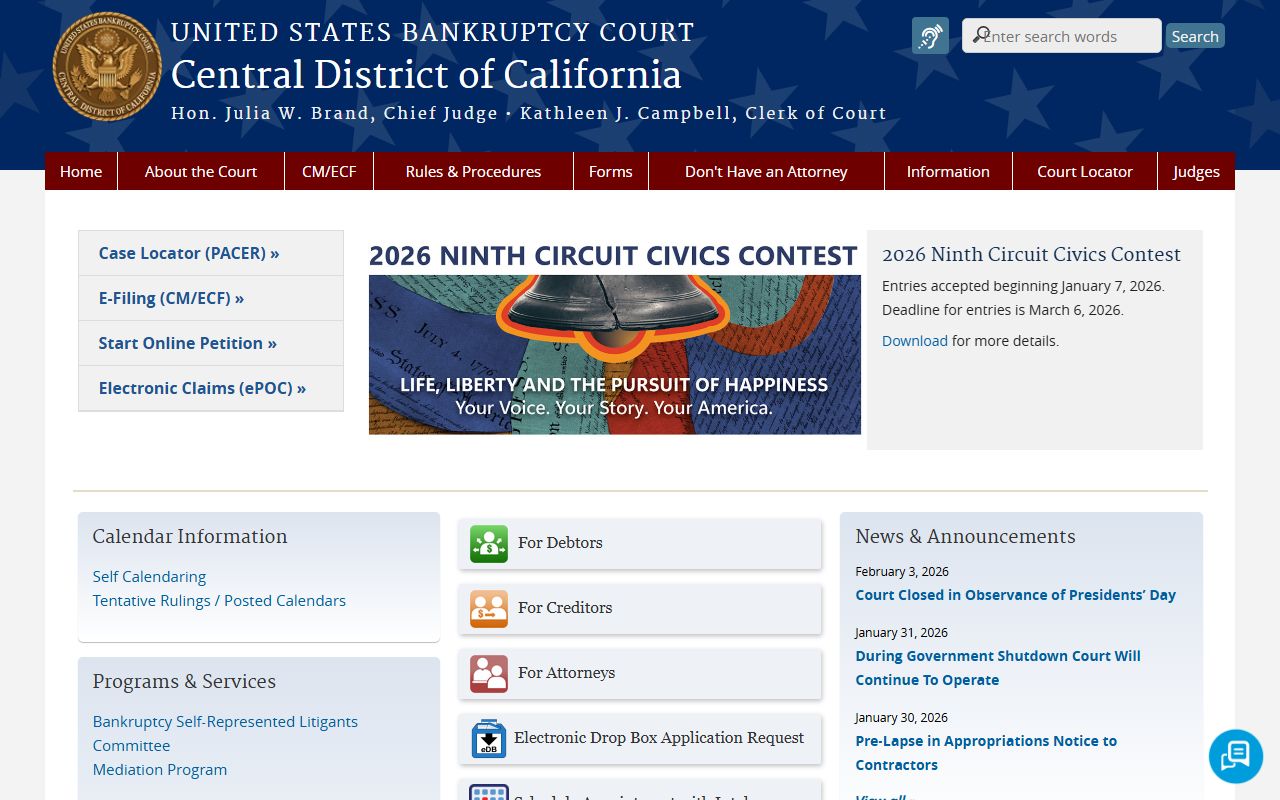
Check the court website for forms and local rules that apply to Ontario filings.
Search Ontario Bankruptcy Records Online
PACER provides online access to Ontario bankruptcy records. Visit pacer.uscourts.gov to create an account. Registration is free. After logging in, select the Central District of California Bankruptcy Court.
Enter a name or case number to search. Results include dockets, petitions, schedules, and court orders. You pay 10 cents per page. Documents cap at $3 each. Quarterly charges under $30 are waived. Most light users search Ontario bankruptcy records for free.
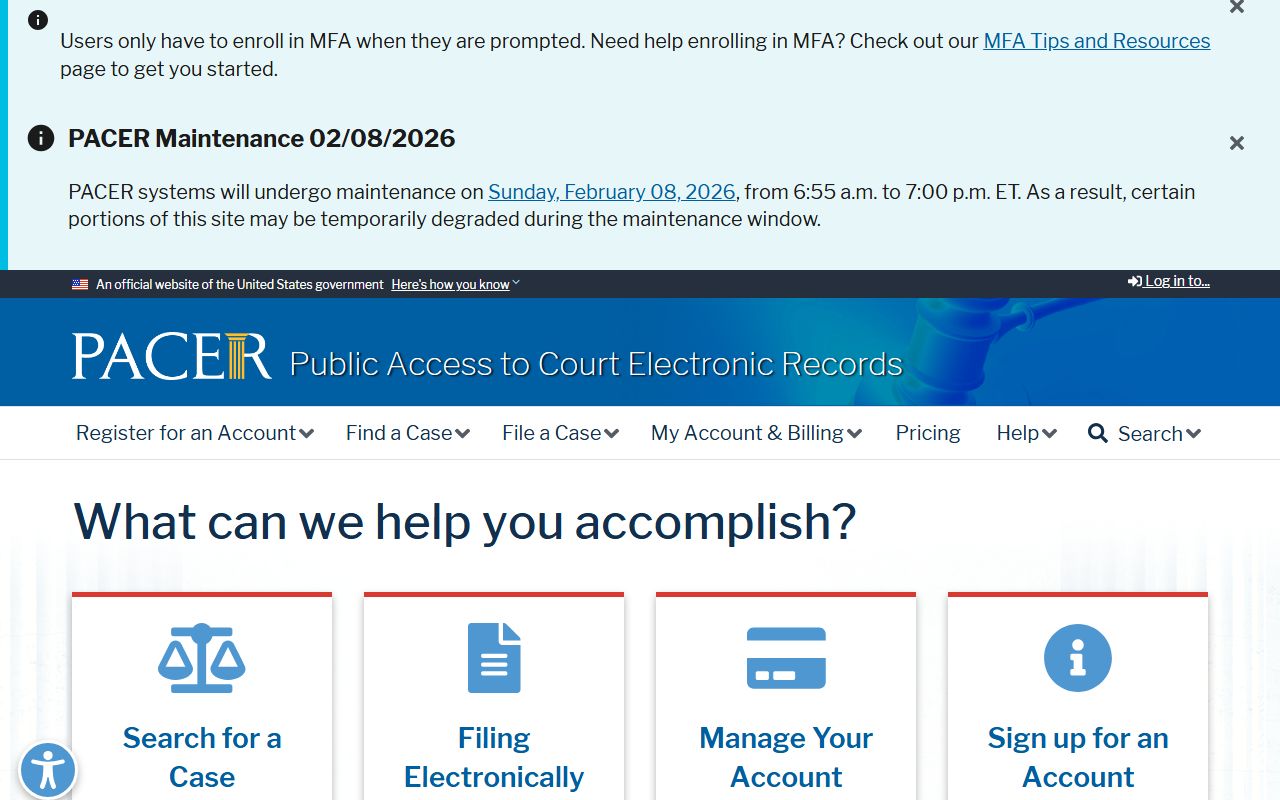
The PACER Case Locator searches all federal courts at once. Use it when you do not know which district handled a case. It covers every bankruptcy court in the country.
Free phone access is available. Call (866) 222-8029 for the Voice Case Information System. It runs 24/7. Enter a case number or name to hear filing dates and case status.
Filing Bankruptcy in Ontario
Ontario residents file at the Riverside courthouse. You can file in person or electronically. Most people hire a lawyer. Filing pro se means handling the case yourself. The same forms and fees apply either way.
Chapter 7 costs $338 to file. Chapter 13 is $313. Chapter 11 business cases run $1,738. These are court fees. Low-income filers may get fee waivers or payment plans. Ask the clerk about options.
Credit counseling is required before filing. This federal rule applies to all Ontario filers. Complete the course within 180 days of your filing date. Only use approved providers. After the case ends, take a second course on financial management. Both are mandatory.
Forms are available at uscourts.gov. The voluntary petition starts your case. Schedules list property, debts, income, and expenses. The means test determines Chapter 7 eligibility. All documents become part of your Ontario bankruptcy record.
California Exemptions for Ontario Filers
California offers two exemption systems. Pick one when you file. Mixing is not allowed.
System 1 protects up to $722,507 in home equity. Ontario home values have risen in recent years. Many homeowners can protect their full equity. System 1 also covers vehicles up to $8,625 and retirement funds without limit. This system often works well for Ontario homeowners.
System 2 has a smaller homestead of $36,750. But it includes a wildcard up to $38,700. The wildcard protects any property. Renters and people with little home equity may prefer System 2. It offers more flexibility for protecting other assets.
Note: Discuss exemption options with a bankruptcy lawyer before filing your case.
Ontario Bankruptcy Case Types
Chapter 7 is most common in Ontario. It eliminates most debts in a few months. Some property may be sold, but exemptions protect most. About 78% of California filers use Chapter 7. Records include petitions, schedules, and discharge orders.
Chapter 13 allows repayment over three to five years. You keep property while making payments. This helps people catch up on mortgages or car loans. About 20% of Ontario filings are Chapter 13. Records include payment plans and histories.
Chapter 11 covers business reorganization. Ontario has many businesses that may use this option. It is complex and expensive. Records can be large with many court filings. All case types are searchable through PACER.
Legal Resources for Ontario Residents
Legal help is available for qualifying residents. Inland Counties Legal Services assists low-income people in San Bernardino County. They may help with bankruptcy if you qualify based on income.
The San Bernardino County Bar Association has a lawyer referral program. Many bankruptcy attorneys offer free first meetings. Use these to discuss your case before paying fees.
Self-help resources are on the court website. Forms, guides, and local rules are available online. The Riverside courthouse staff can point you to resources too. Always verify a lawyer's license through the California State Bar.
Nearby Cities
These cities near Ontario also file at the Riverside court.
San Bernardino County Bankruptcy Records
Ontario is in San Bernardino County. For more on county-wide filings, see our San Bernardino County bankruptcy records page.