
Access San Luis Obispo County Bankruptcy Records
San Luis Obispo County bankruptcy records are processed by the Central District of California Bankruptcy Court through its Santa Barbara division. The county sits along California's Central Coast with a population of around 283,000 residents. If you need to search for bankruptcy filings in this area, you can use the PACER system online or visit the Santa Barbara courthouse. This guide covers how to find San Luis Obispo County bankruptcy cases, including court details, search methods, and what you need to know about filing or researching records. Federal bankruptcy cases are public records, and the court system provides tools for anyone to access docket information and filed documents.
San Luis Obispo County Facts
San Luis Obispo County Bankruptcy Court
The Central District of California Bankruptcy Court serves San Luis Obispo County from its Santa Barbara division. The courthouse address is 1415 State Street, Santa Barbara, CA 93101. You can call (855) 460-9641 for case information or filing questions. San Luis Obispo County does not have its own federal bankruptcy court, so residents use the Santa Barbara location.
This court handles bankruptcy matters for both San Luis Obispo and Santa Barbara counties, along with Ventura County. The Santa Barbara division sees fewer filings than the larger Los Angeles or Riverside courts. This often means shorter wait times and easier access to staff assistance. Public terminals let you search records at no cost during business hours.
Court hours are Monday through Friday, 9 AM to 4 PM. The office closes on federal holidays. San Luis Obispo County residents should plan for the drive south to Santa Barbara for any in-person matters. Many hearings can be done by phone or video, which helps reduce travel.
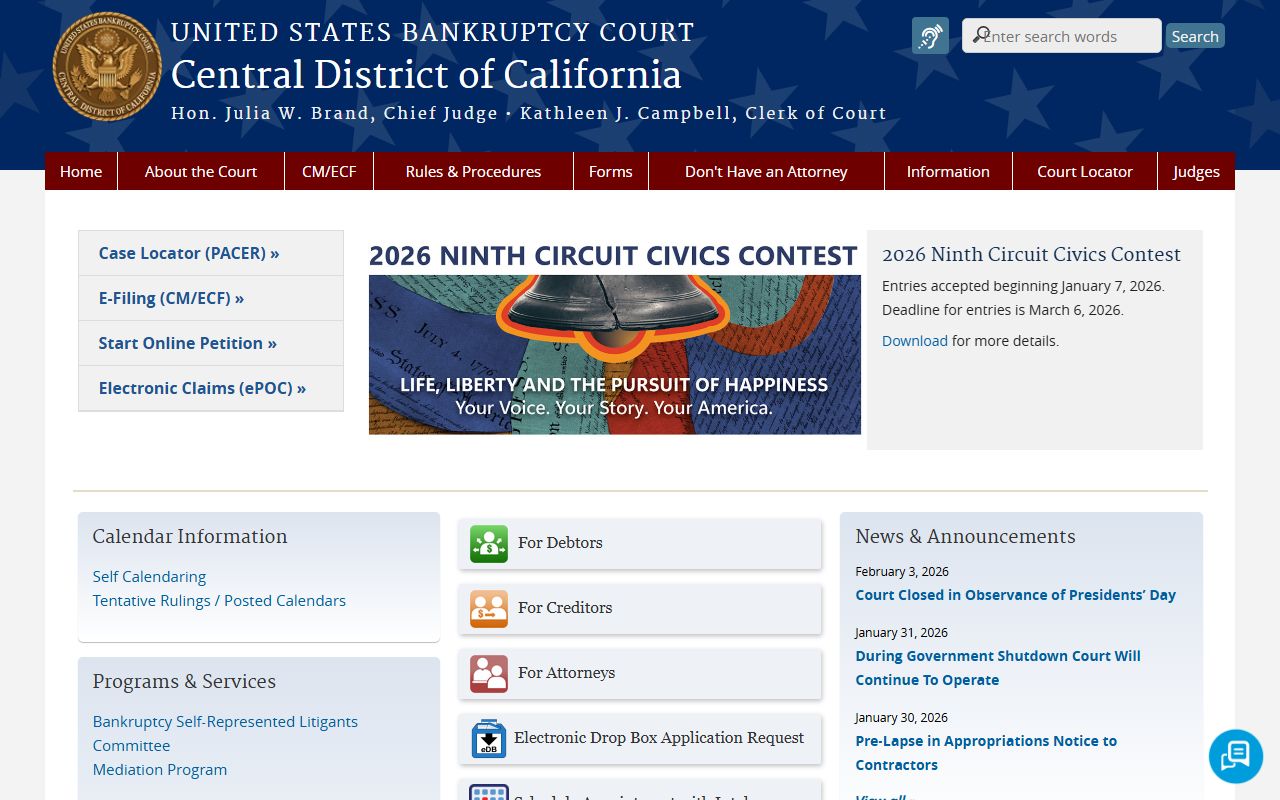
The court website posts local rules and forms that apply to San Luis Obispo County filings.
Search San Luis Obispo County Bankruptcy Records Online
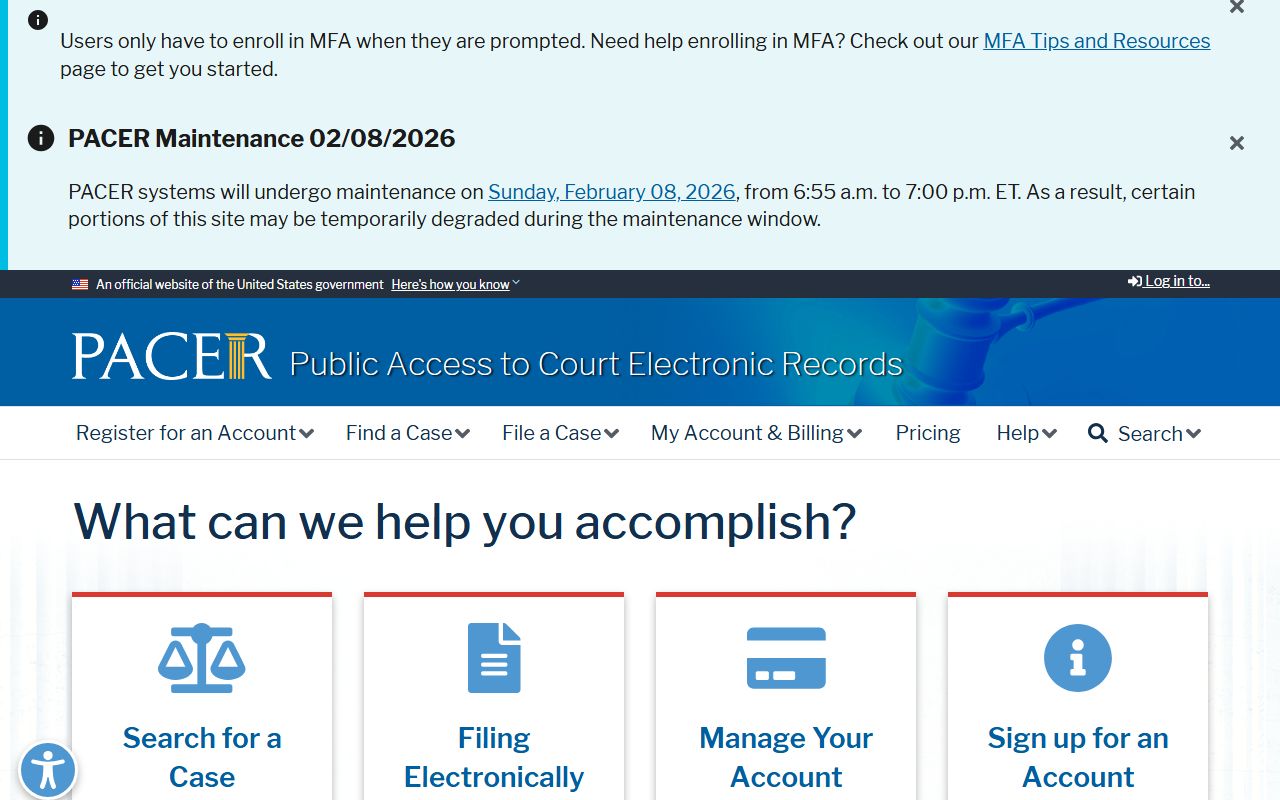
PACER is the main tool for searching San Luis Obispo County bankruptcy records from home. The system contains case files, dockets, and filed documents from all federal courts. Fees are 10 cents per page with a $3 cap per document. Users who spend under $30 per quarter pay nothing.
Start at pacer.uscourts.gov to create an account. Registration is free and takes a few minutes. After logging in, select Central District of California from the court list. You can search by name, case number, or the last four digits of a Social Security number. Results include all San Luis Obispo County bankruptcy filings that match your search.
The Voice Case Information System offers free phone access any time. Call (866) 222-8029 and follow the prompts. Enter a case number or debtor name to hear filing date, chapter type, trustee assignment, and case status. This works well when you need quick information without logging into PACER.
In-person searches at the Santa Barbara courthouse are free. Public terminals are available during office hours. Staff can assist you with using the system.
Note: If you are unsure where someone filed bankruptcy, the PACER Case Locator searches all federal courts at once.
Filing Bankruptcy in San Luis Obispo County
San Luis Obispo County residents file bankruptcy through the Santa Barbara division of the Central District court. You can use an attorney or represent yourself. Self-represented filers are called pro se debtors. Either way, the same forms and procedures apply.
Filing fees vary by chapter. Chapter 7 costs $338 to file. Chapter 13 costs $313. Chapter 11 business cases cost $1,738. If you cannot afford the fee, you may request a payment plan or fee waiver. The court has specific forms for these requests based on income.
Credit counseling is required before you file. This is federal law. Complete an approved course within 180 days of filing. Courses take about an hour and cost $20 to $50. After your bankruptcy ends, a debtor education course is required before you receive a discharge. Both requirements apply to all San Luis Obispo County filers.
Download all forms from uscourts.gov. You need the voluntary petition, schedules listing assets and debts, income and expense statements, and the means test. Once filed, these documents become part of the public San Luis Obispo County bankruptcy record.
California Exemptions for San Luis Obispo County Filers
California lets filers choose between two exemption systems. San Luis Obispo County residents must select one or the other. Mixing exemptions is not allowed.
System 1 benefits homeowners. The homestead exemption reaches up to $722,507 depending on county median home prices. San Luis Obispo County has high real estate values in many areas, so this protection matters for local homeowners. System 1 also covers vehicles up to $8,625, tools of trade up to $10,950, and unlimited retirement accounts. There is no wildcard exemption.
System 2 helps renters and those with minimal home equity. The homestead is only $36,750, but a wildcard exemption of up to $38,700 can protect any property. Many San Luis Obispo County residents who rent prefer System 2 because it shields bank accounts, cars, and personal property flexibly.
You must choose your exemption system when you file. This decision cannot change later. Consult an attorney about which option works better for your specific situation.
Types of Bankruptcy Cases in San Luis Obispo County
Chapter 7 is the most common type filed in San Luis Obispo County. It eliminates most unsecured debts within about four months. You may surrender some property, but exemptions protect most assets. The majority of California filers use Chapter 7.
Chapter 13 creates a repayment plan. Debtors pay a trustee monthly for three to five years. This chapter helps people catch up on mortgage or car payments while keeping their property. San Luis Obispo County homeowners often use Chapter 13 to address foreclosure while retaining their homes.
Chapter 11 covers business reorganization. It allows companies to restructure debt while continuing operations. The process is complex and expensive. Some San Luis Obispo County businesses file Chapter 11 when they need time to resolve financial problems.
Each chapter produces different record volumes. Chapter 7 files are usually smaller. Chapter 13 files include payment plans and years of trustee reports. Chapter 11 files can contain many motions and detailed reorganization documents. All San Luis Obispo County bankruptcy records are searchable through PACER.
Legal Resources for San Luis Obispo County
Several organizations provide legal help to San Luis Obispo County residents. Some offer free services to those who qualify based on income.
California Rural Legal Assistance serves low-income residents in Central Coast counties including San Luis Obispo. The San Luis Obispo County Bar Association maintains a lawyer referral service for finding bankruptcy attorneys. The U.S. Trustee Program lists approved credit counseling providers you need before filing.
The Central District court website has self-help resources and forms. Many San Luis Obispo County residents file on their own using these materials. The clerk's office can answer procedural questions but will not give legal advice.
Always verify any attorney through the California State Bar before hiring. This protects you from unlicensed practitioners.
Cities in San Luis Obispo County
San Luis Obispo County includes seven incorporated cities and unincorporated areas. All residents file bankruptcy through the Santa Barbara division of the Central District court. The county seat is the city of San Luis Obispo. Other cities include Paso Robles, Atascadero, Arroyo Grande, Grover Beach, Morro Bay, and Pismo Beach. None of these cities exceed 50,000 residents.
Nearby Counties
These counties neighbor San Luis Obispo County. Santa Barbara and Ventura are in the Central District while others fall under different federal districts.