
Colusa County Bankruptcy Records
Colusa County bankruptcy records are filed with the Eastern District of California Bankruptcy Court. This rural Sacramento Valley county has roughly 22,000 residents who work mainly in agriculture. When financial hardship strikes, Colusa County residents have access to federal bankruptcy protections just like those in larger cities. The Sacramento courthouse handles all local filings, including Chapter 7 debt elimination, Chapter 13 payment plans, and Chapter 11 business cases. This guide explains how to search Colusa County bankruptcy records, what it costs to file, and the California exemption rules that protect property during proceedings. Whether you need to research an existing case or explore filing options, the information here covers court contacts, search methods, and legal resources.
Colusa County Facts
Colusa County Bankruptcy Court Location
The Eastern District of California Bankruptcy Court serves Colusa County from its Sacramento headquarters. Find the court at 501 I Street, Suite 3-200, Sacramento, CA 95814. Call (916) 930-4400 to reach the clerk's office. From Colusa, the drive takes about an hour heading south on Highway 45 and Interstate 5.
Colusa County is one of 34 counties served by this district, the largest bankruptcy district by land area in California. The district stretches from the Oregon border to the southern Central Valley. Sacramento handles northern counties like Colusa. The Fresno and Modesto courthouses serve the southern portion.
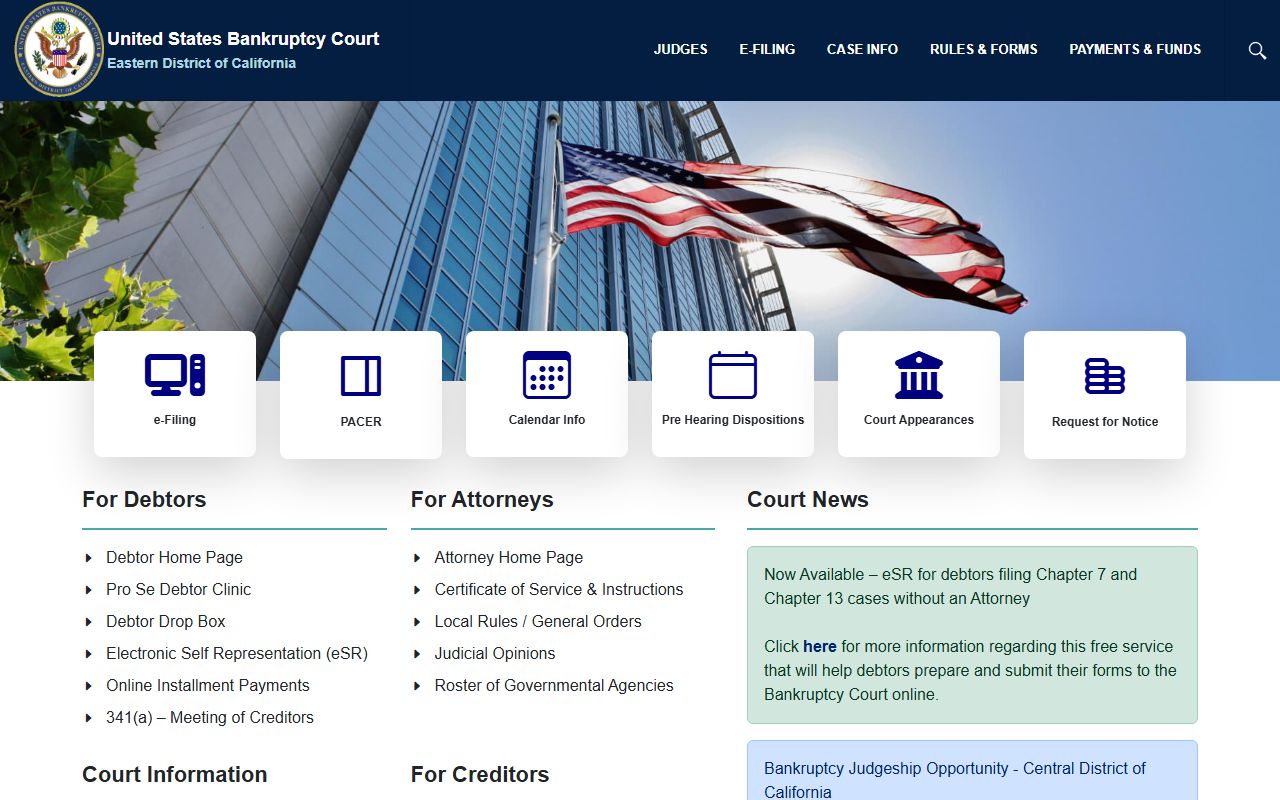
Attorneys file electronically through CM/ECF. This lets Colusa County lawyers handle cases without frequent Sacramento trips. Pro se filers typically submit paper documents. Some electronic options exist for self-represented parties who complete training, but most file by mail or in person.
Court hours run 9 AM to 4 PM on weekdays. The clerk's office answers procedural questions but cannot provide legal advice. For guidance on Colusa County bankruptcy issues, consult an attorney or review court self-help materials.
Search Colusa County Bankruptcy Filings
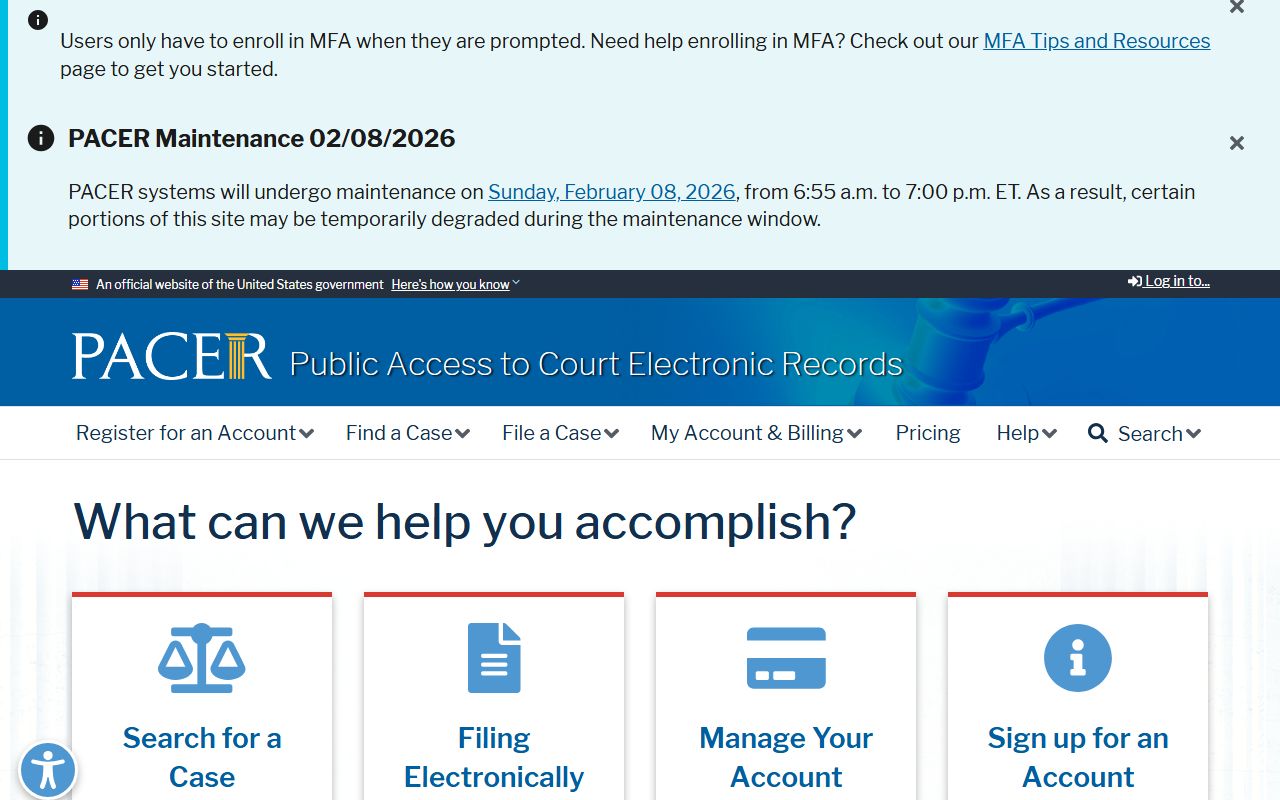
PACER is the primary tool for finding Colusa County bankruptcy records online. Sign up free at pacer.uscourts.gov. Fees are 10 cents per page capped at $3 per document. Users with quarterly charges under $30 pay nothing due to automatic waivers.
After registering, pick the Eastern District of California Bankruptcy Court from the menu. Enter a name or case number to search. Results show matching Colusa County bankruptcy filings. Each listing links to the full docket where you can view documents, check status, and see assigned trustees. Most searches finish within minutes.
The Voice Case Information System provides free phone access. Dial (866) 222-8029 anytime. The automated line runs 24 hours. Enter a case number or spell out a party name. You will hear basic case details like status and key dates. This works well for Colusa County residents needing quick information without a computer.
Free in-person searches are available at the Sacramento courthouse. Public terminals provide access during business hours. Staff can help navigate the system. Printing costs extra. Colusa County residents sometimes visit when they need to review lengthy case files or prefer face-to-face assistance.
Note: The PACER Case Locator searches all federal courts at once, helpful for finding cases that might have been filed in a different district.
Filing Bankruptcy in Colusa County
Colusa County residents file bankruptcy at the Sacramento court. You can use an attorney or represent yourself. Self-representation is called "pro se" filing. Either way, the same procedures and forms apply to your case.
Filing fees depend on which chapter you choose. Chapter 7 costs $338. Chapter 13 costs $313. Chapter 11 costs $1,738. Cannot afford the fee? Request a waiver or payment plan. The court evaluates your finances and grants relief to those who qualify. Cost should not stop you from seeking bankruptcy protection when you need it.
Credit counseling is required before you file. Federal law mandates this step. Complete an approved course within 180 days prior to filing. Save the certificate. After your case ends, a second course on debt management must be done before discharge. Both courses work online or by phone, convenient for Colusa County residents far from major cities.
Download bankruptcy forms from uscourts.gov. Start with the voluntary petition. Add schedules listing all debts, assets, income, and expenses. Complete the means test to determine Chapter 7 eligibility. Colusa County filers with income below state medians usually qualify automatically. Others may still qualify after subtracting allowed expenses for housing, transportation, taxes, and necessities.
California Exemptions for Colusa County Residents
California provides two exemption systems. Choose one completely. You cannot mix them together. Your selection determines what property you keep.
System 1 under CCP 704 benefits homeowners. The homestead exemption can reach $722,507 based on your situation and local home prices. Colusa County property values are generally lower than coastal areas, but the exemption still protects substantial equity. System 1 also covers vehicles up to $8,625, trade tools up to $10,950, jewelry up to $10,950, and unlimited retirement funds. Bank deposits get a smaller $2,170 exemption.
System 2 under CCP 703 works better for renters. Its main feature is a wildcard exemption totaling up to $38,700 that applies to any property. This combines a $1,950 base with up to $36,750 of unused homestead protection. Without a home to protect, you can use the full wildcard for cars, savings, or other assets. Many Colusa County renters find System 2 more useful.
You need 730 days of California residency to use state exemptions. Recent arrivals may have to use exemptions from their prior state. Sometimes federal exemptions apply instead. An attorney can help analyze which rules benefit you most given your specific circumstances and residency history.
Note: Once you elect an exemption system in your filing, changing it later is difficult and may not be permitted.
Colusa County Bankruptcy Case Types
Chapter 7 is most common. It eliminates unsecured debts in about four months. You might surrender some property, but exemptions protect most assets for typical filers. Around 78% of California bankruptcies use Chapter 7. This fits people with limited income who owe more than they own.
Chapter 13 creates a payment plan lasting three to five years. You retain all property while repaying debts through a trustee. This helps Colusa County homeowners catch up on past-due mortgages. About 20% of filings use Chapter 13. Regular income is required since monthly payments continue throughout the plan.
Chapter 11 handles business reorganization. Companies keep operating while restructuring debts. The process is expensive and complex. Few Colusa County cases involve Chapter 11, though agricultural operations with substantial debts occasionally use it. Chapter 12 exists specifically for family farmers and fishermen facing financial distress.
Each chapter creates different types of records. Chapter 7 files are typically brief. Chapter 13 files span years with payment schedules and trustee reports. Chapter 11 files can be extensive with detailed financial disclosures and creditor voting records. All Colusa County bankruptcy cases are public records searchable through PACER.
Legal Help for Colusa County Bankruptcy
Finding bankruptcy assistance in Colusa County often means looking to nearby cities. Legal Services of Northern California serves low-income residents in the region. Contact them about availability and eligibility. Wait times can be long. The U.S. Trustee Program lists approved credit counseling agencies and debtor education providers required for filing.
Private attorneys in the Sacramento and Yuba City areas handle Colusa County bankruptcy cases. Many offer free initial consultations. Ask about experience with agricultural debt issues if farming is involved in your situation. The Eastern District sees substantial farm-related filings through its jurisdiction.
Self-help materials on the Eastern District website guide pro se filers through the process. Sample forms, instructions, and procedural guides help Colusa County residents who cannot afford an attorney. Successful pro se filings happen regularly, though complicated situations benefit from legal help.
Before hiring any lawyer, check their credentials through the State Bar of California. Verify active licensure. Review any disciplinary history. Ask about their experience with the Eastern District and cases similar to yours. Local knowledge of court procedures and trustee expectations helps your Colusa County case proceed smoothly.
Nearby Counties
These counties neighbor Colusa County and share the Eastern District bankruptcy court.